Master Alloys
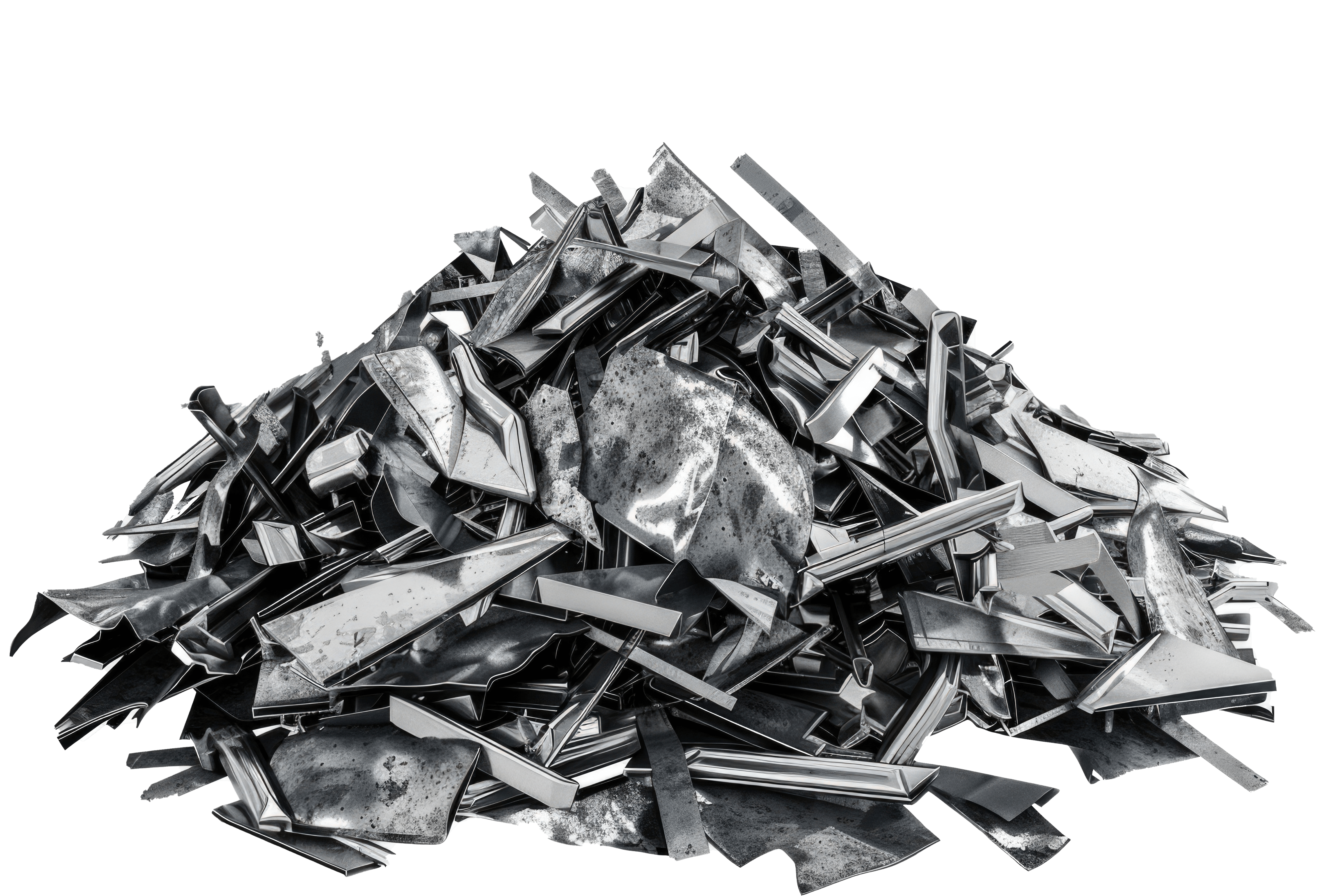
Master alloys are specialized metallic materials used as intermediaries in the production and modification of metal alloys. They are designed to introduce specific elements into base metals in a controlled and efficient manner, enhancing the properties of the final alloy. Master alloys serve as key ingredients in metallurgical processes, playing a vital role in industries such as aerospace, automotive, electronics, and construction.
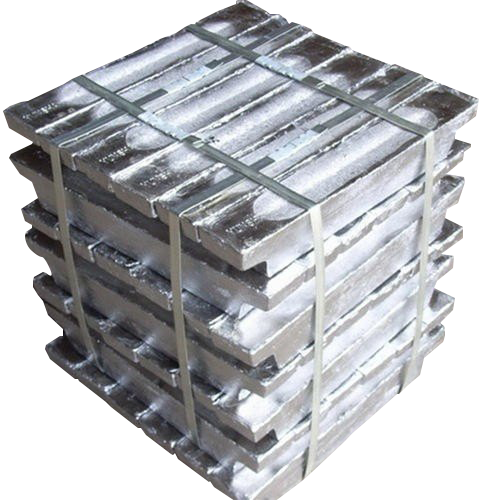
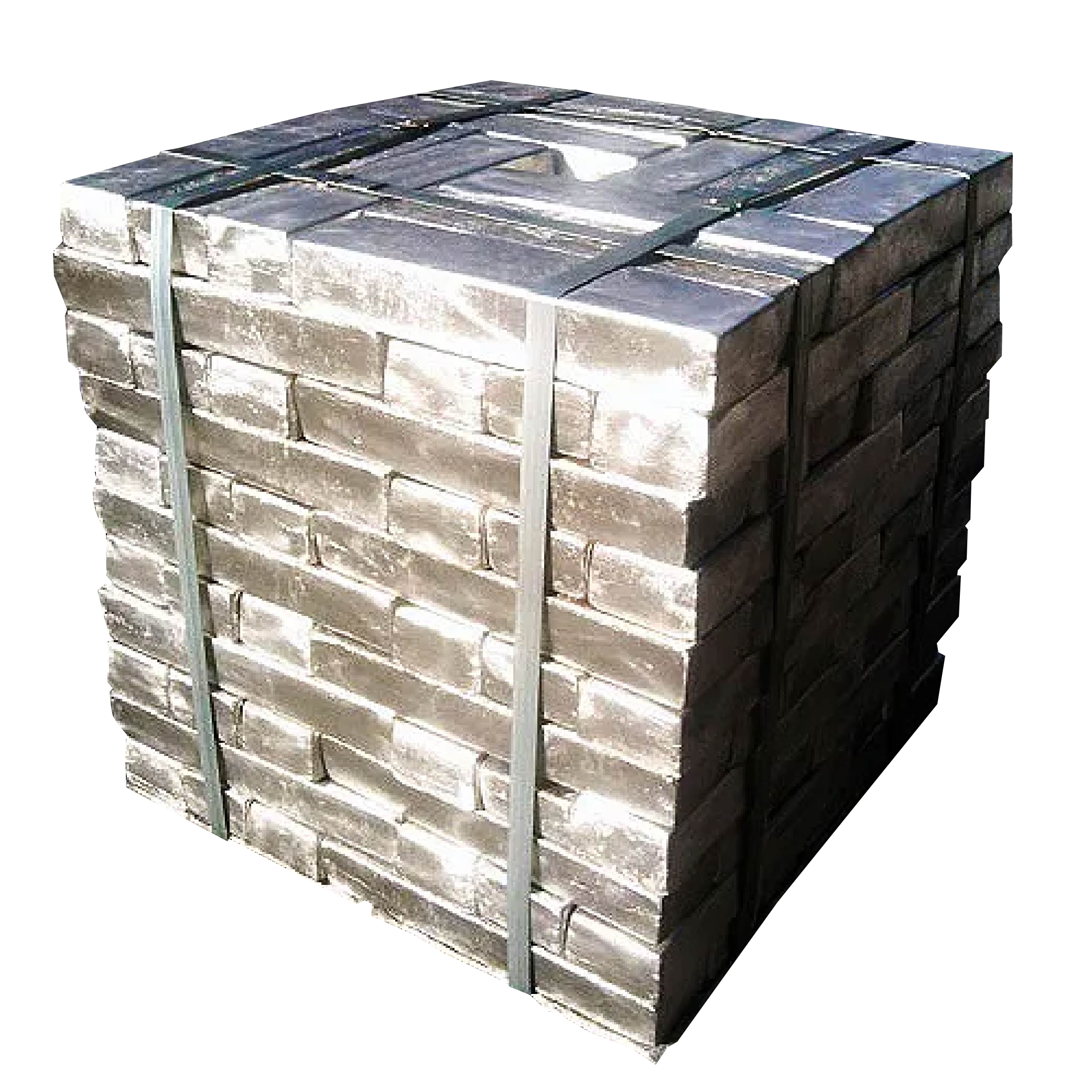
An aluminum-based master alloy is a pre-alloyed material with a concentrated amount of one or more elements, combined with aluminum as the base metal. These master alloys are not used directly but are introduced into aluminum melts to modify properties such as grain size, strength, and corrosion resistance.
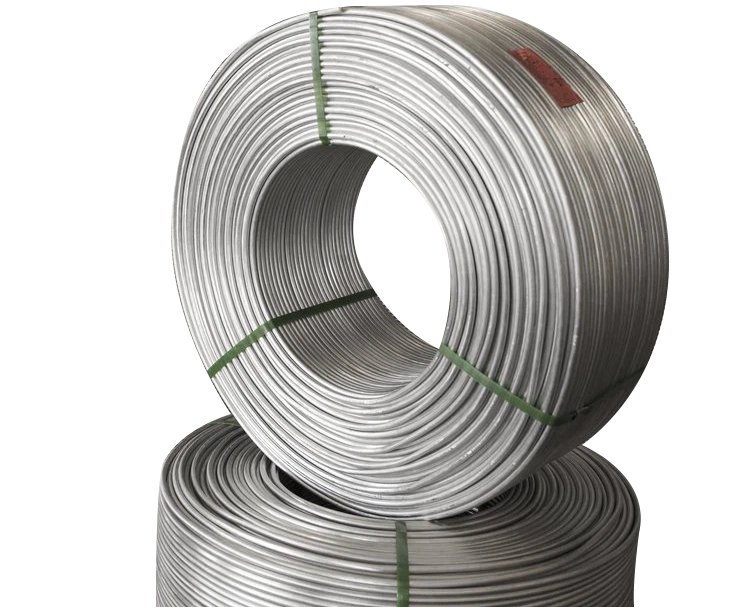
| Standart | Chemical Composition | |||||||
|---|---|---|---|---|---|---|---|---|
| Ti/ | Impurities | |||||||
| B | Fe | Si | V | Other | ||||
| AlTi5B1 | 4.5-5.5 | 0.8-1.2 | 0,3 | 0,2 | 0,1 | 0.03 Max | ||
| AlTi3B1 | 2.3-3.5 | 0.8-1.2 | 0,2 | 0,2 | 0,1 | 0.03 Max | ||
| AlTi5B1 | 4.5-5.5 | 0.15-0.25 | 0,2 | 0,2 | 0,1 | 0.03 Max | ||
| Standart | Chemical Composition | |||||||
|---|---|---|---|---|---|---|---|---|
| Al/ | Impurities | |||||||
| Si | Fe | Other | ||||||
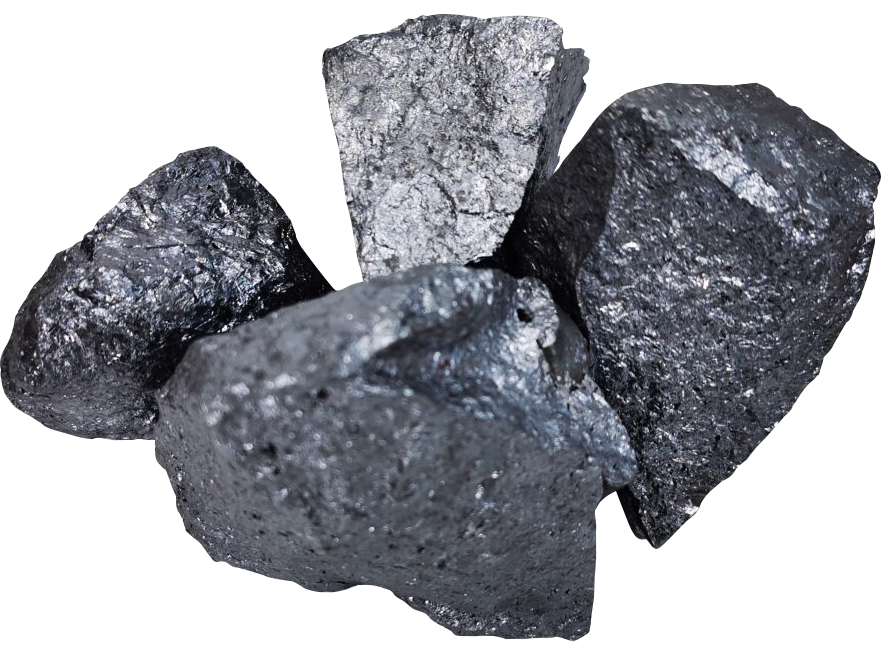
| AlSi | 79-81 | 19-21 | 0,45 | 0,15 | ||||